Inflation Cools, Jobs Shift Toward Native-Born Americans; Esposito Sees Solid 2026 Growth Ahead
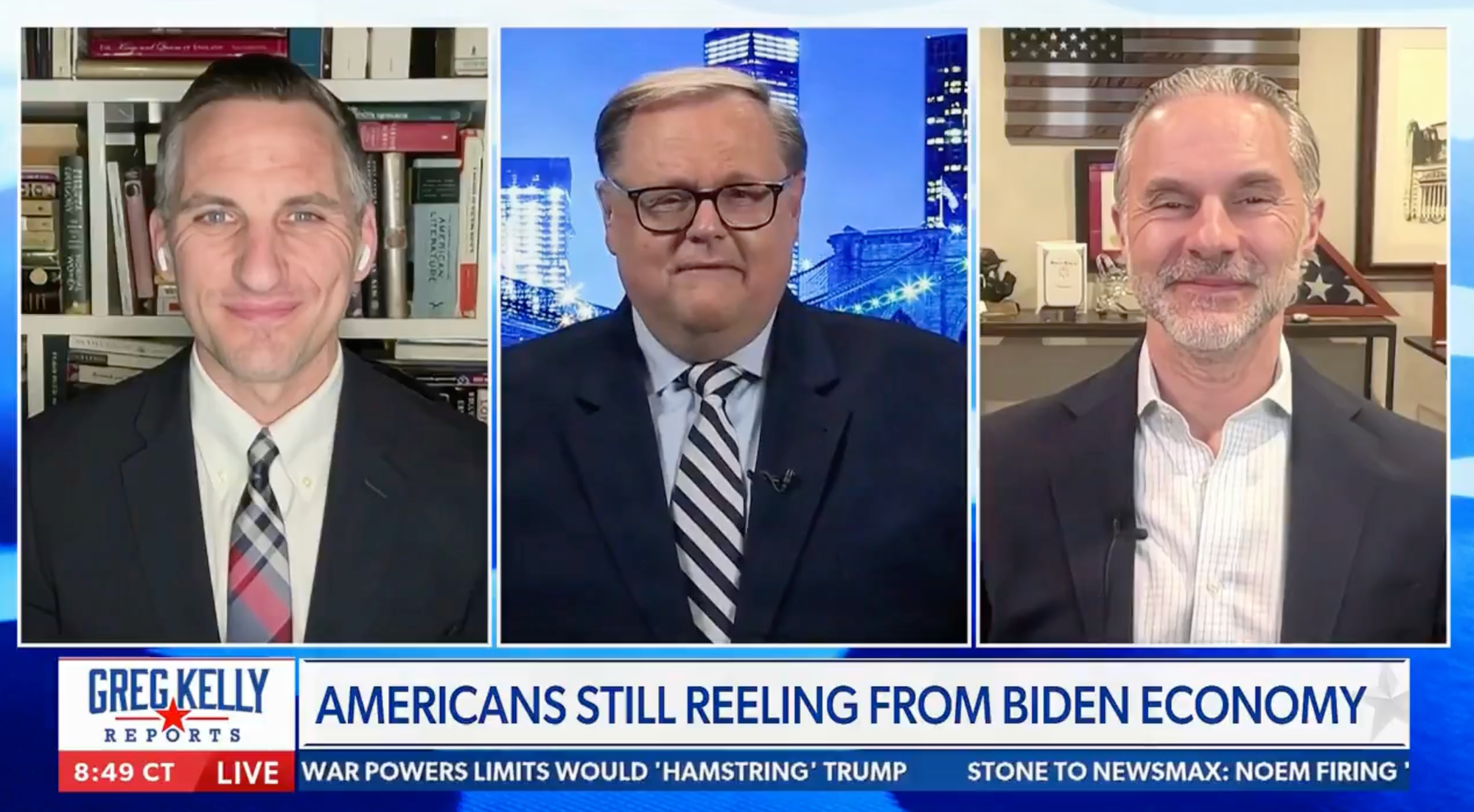
[embed]https://youtu.be/7LkqxJgAqbE[/embed] Anthony Esposito, founder and CEO of Ascalon VI Capital, joined WGMD 92.7’s Delmarva Live panel for a Friday discussion on the latest inflation data, job trends, and what lies ahead for the U.S. economy in 2026. Esposito framed the month’s CPI release as a positive sign, noting that the November CPI at 2.7% and core CPI at 2.6% point to a cooling trajectory after the prior surge, and he said the numbers put the economy “back toward the Fed target rate of 2%.” “The numbers were good,” he told the host, adding that “we’re coming off of a Biden high of over 9%” and that the pace of price increases is slowing. Esposito pressed beneath the headlines to examine the labor market, noting a mixed data picture. He acknowledged the official releases showing 64,000 jobs created in the period, but pointed out a broader trend: “There was a net loss of 41,000 jobs between October and November.” Yet he highlighted a more constructive development for native-born Americans, reporting a 12-month increase of 2.6 million jobs for native-born workers. “The bigger positive is that we’re seeing native-born Americans get jobs,” he said, contrasting that with a decline in publicly funded government jobs and arguing that the shift signals a healthier, private-sector-led path for growth. On monetary policy and financial markets, Esposito explained why consumer rates don’t always move in lockstep with the federal funds rate. He described how mortgage rates often track the 10-year yield and identified two key drivers for divergence: inflationary fear and growth expectations. “If buyers or sellers of bonds feel like we’re heading into an inflationary environment, then we’re going to see those rates go up,” he said, adding that the bond market can react to perceived growth vs. inflation in ways that a single rate cut cannot fully predict. He cited a historical example—a 50-basis-point cut before an election—where markets didn’t believe inflation was under control, causing the 10-year yield to spike despite the policy move. The discussion then shifted to political messaging and its intersection with economic policy. Esposito conceded that President Trump has made progress in communicating the gains of his economic plan but argued that the messaging challenge remains steep, given the “deep hole” he believes the prior administration left. He suggested that improvements are real but that consumers still feel the effects of past policy, saying, “People are dealing with the pain of what was done previously.” He also touched on energy prices, noting that gasoline has moved lower and that, in his view, energy policy remains a central lever for broader economic health. He asserted that energy prices “have a massive effect” on daily life and on consumer behavior, pointing to calculations of crude price movements, refining capacity, and regional variations as factors shaping pump prices. Looking ahead to 2026, Esposito expressed cautious optimism. He framed the long arc of recovery as achievable through a combination of fiscal reforms, tariff and trade victories, and a stabilized monetary backdrop with a new Federal Reserve chair. He forecast “pretty sound economic growth” but acknowledged risks from geopolitical factors and global supply dynamics. He reiterated that real wages are rising when inflation cools, as he believes policy and market conditions align to reduce the cost of living over time. “In 2026, with the big, beautiful bill and continued on-shoring of investments, we should see a stronger manufacturing and private investment landscape,” he concluded, while noting that the economy will still need to perform “some heavy lifting” to emerge fully from the recent downturn.