AscalonVI CEO on the Scott Jennings Show: Why the Market Selloff Started in December — Not With the War
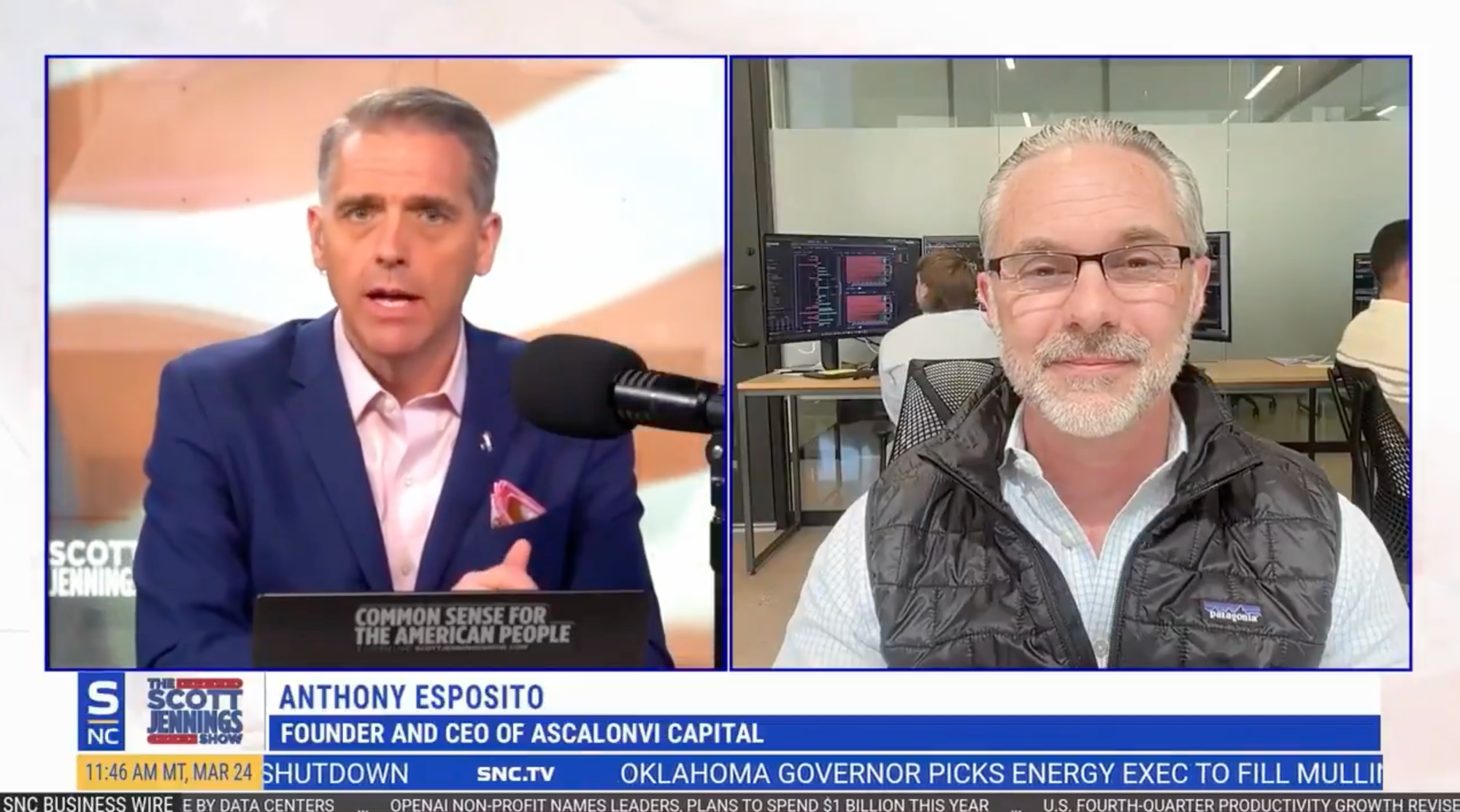
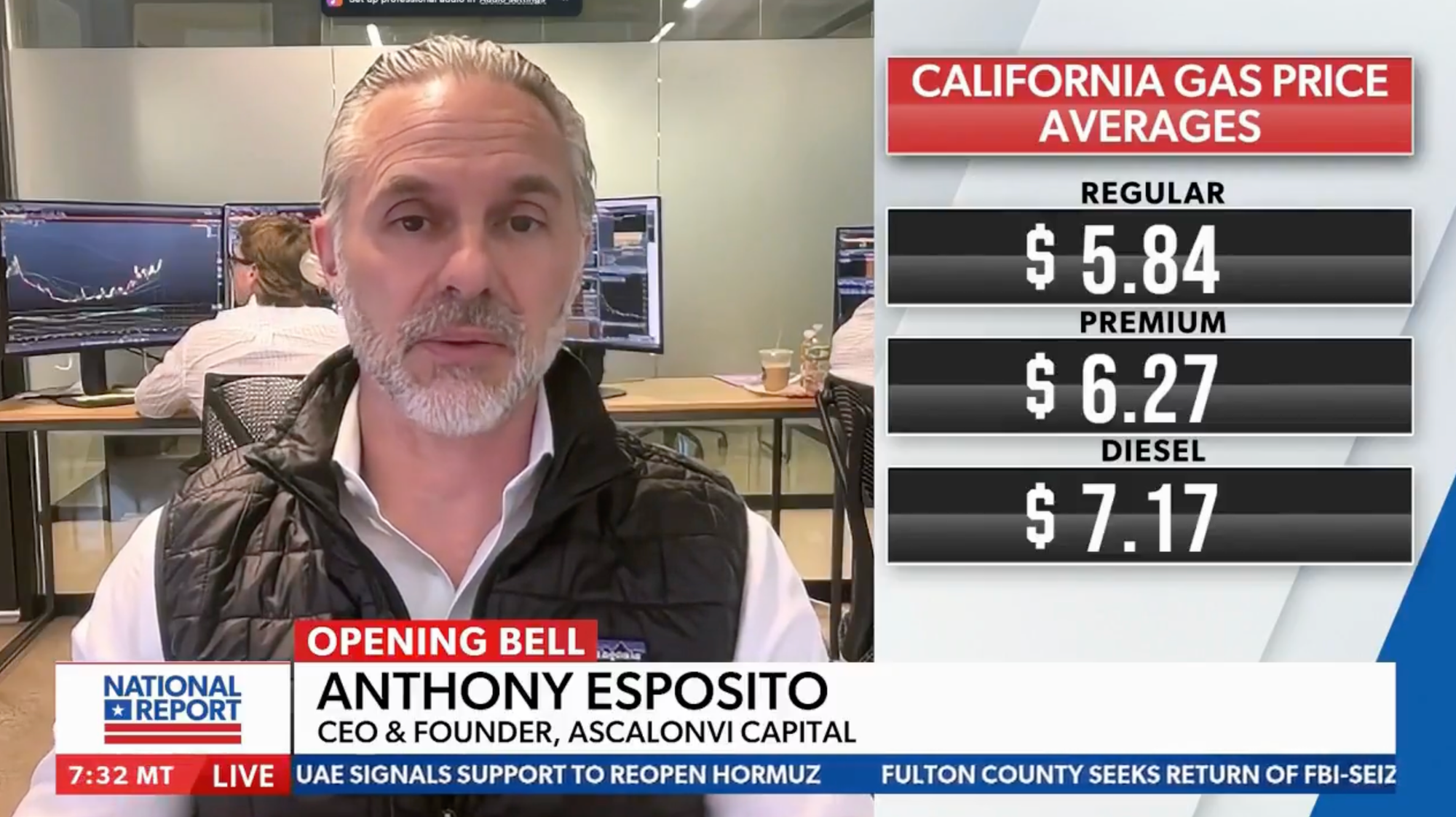
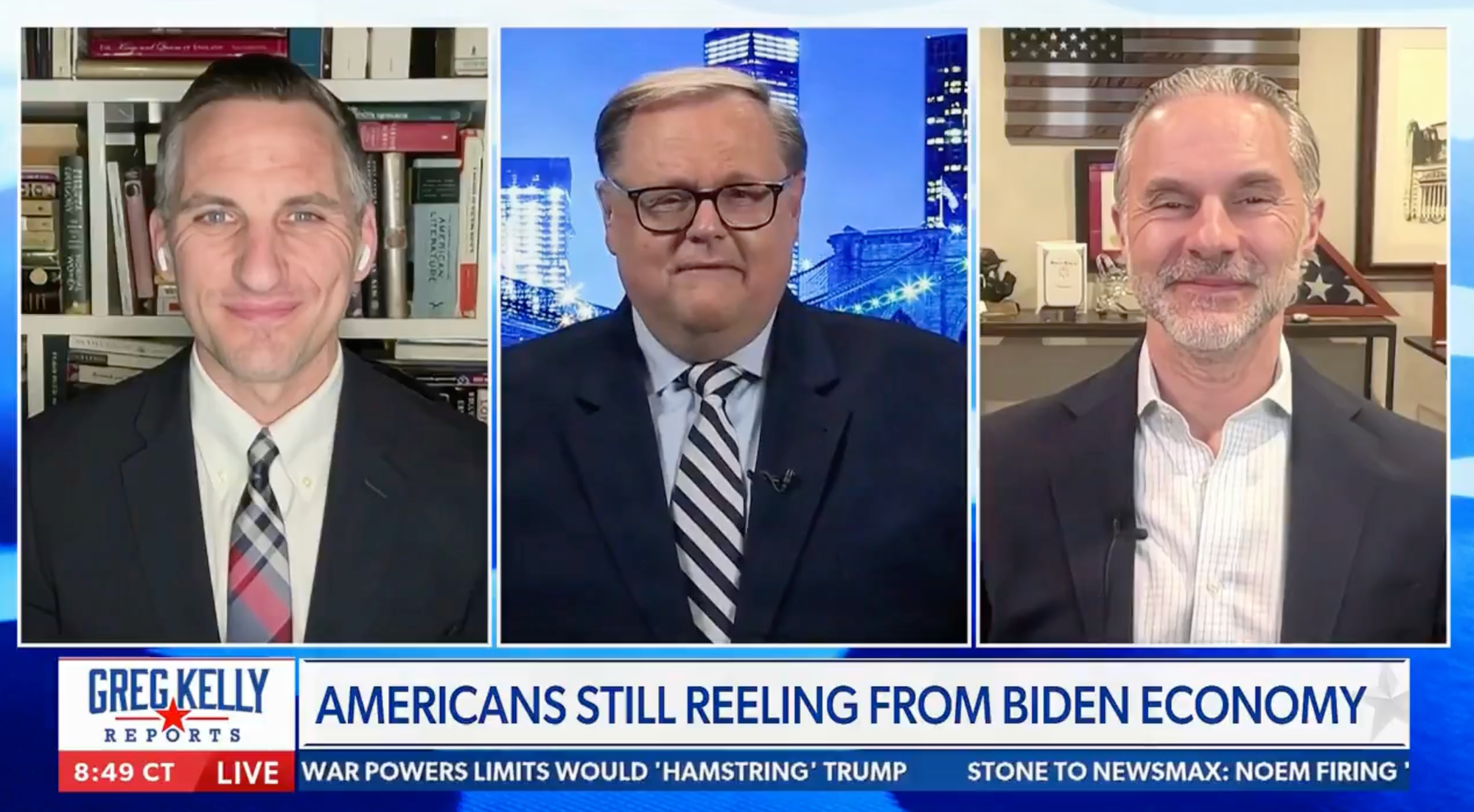
AscalonVI Capital CEO Anthony Esposito joined Scott Jennings to deliver a comprehensive assessment of the U.S. economy as of March 2026, painting a picture of an economy moving in the right direction but facing meaningful headwinds. Esposito highlighted several genuine wins under President Trump's agenda — real take-home wages up 1.5%, government employment at a 10-year low, surging private sector and construction jobs, and over a million net new jobs going to native-born Americans — while noting that GDP growth has moderated from a strong Q3 annualized rate above 4% down to an estimated 1.4% for Q4.
Esposito drew a sharp contrast between the Biden-era economic narrative and current reality, arguing that much of the prior administration's job and GDP growth was artificially inflated by government spending and transfer payments rather than true private sector activity. He expressed optimism about the incoming Fed chairman's ability to draw liquidity from the system and bring rates down in a meaningful way — a move he views as more impactful than rate cuts alone — and emphasized that reducing the nation's $39 trillion debt load remains the root cause of inflation that must be addressed structurally.
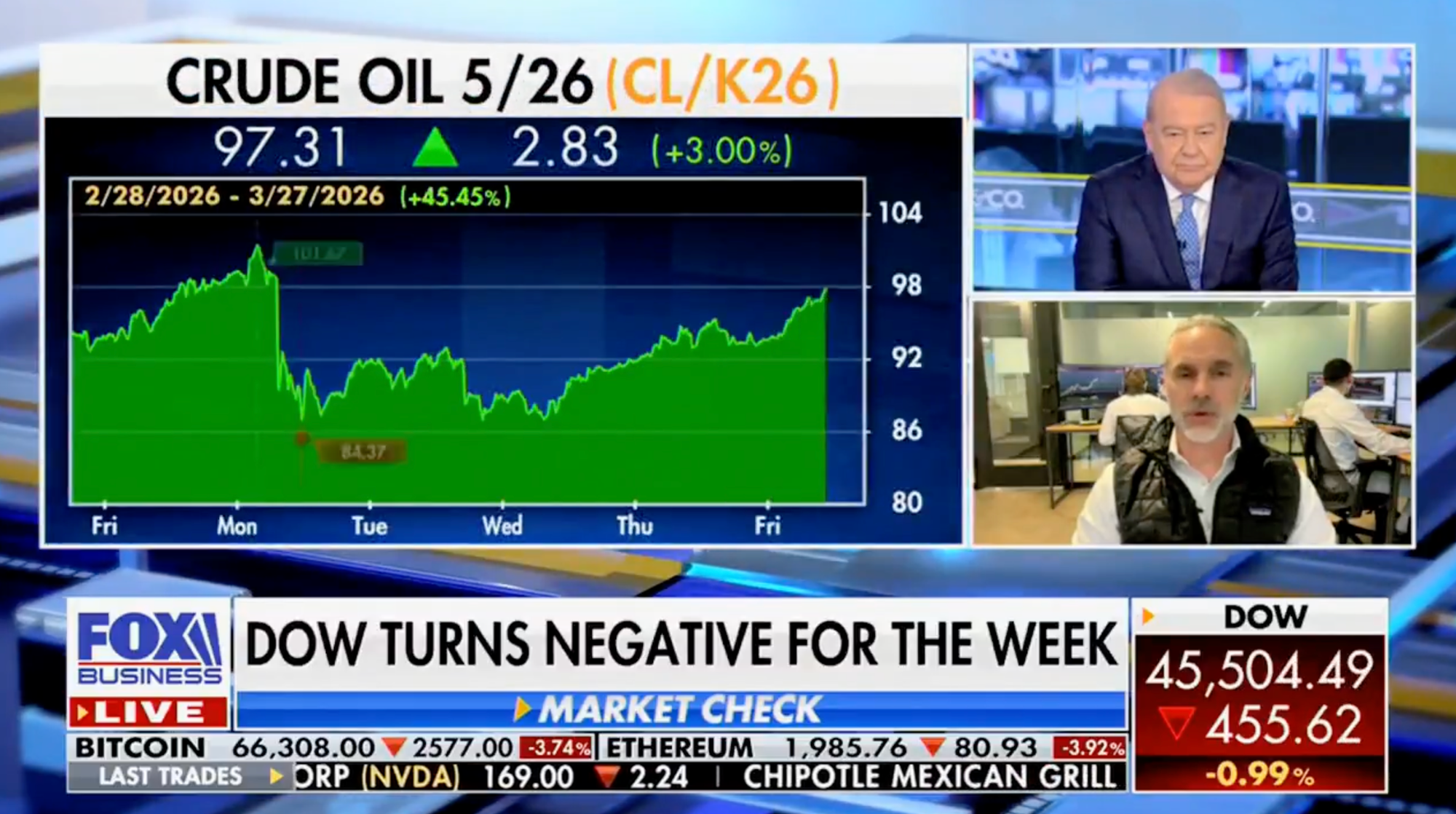
On the Iran conflict, Esposito framed the central economic question as one that investors and everyday Americans share equally: are the disruptions to oil, food, fertilizer, and semiconductor supply chains short-term price shocks, or structural damage that will take quarters or years to unwind? With WTI crude trading around $92 per barrel after ranging from $60 to $120, he noted that the U.S. enters this period from a position of relative strength as an energy-independent nation, but acknowledged that facility damage in the Middle East alone could take months or years to repair.
When the conversation turned to financial markets, Esposito was characteristically direct — and notably more bearish than most voices on Wall Street. AscalonVI had been calling for an equity selloff since December, well before the Iran announcement, identifying a breakdown in momentum and trend across all timeframes for the S&P 500 and Russell 2000. He projected the S&P could fall to 6,000–6,300 from roughly 7,000, and sees the Dow potentially testing the 35,000–40,000 range before a recovery takes hold, citing stretched valuations, historically high CAPE ratios, low cash levels, and retail overexuberance as the structural forces driving the decline regardless of any single geopolitical headline.